high-defense servers are products that have attracted much attention in the field of network security in recent years, especially in the us market. this article will explain in detail the technical features of high-hardware us high-defense servers , and provide detailed operation guides to help users better understand and use high-defense servers.
high-defense servers are mainly used to resist ddos (distributed denial of service) attacks. its technical features are not only reflected in the hardware configuration, but also involve the overall design of network architecture and protection strategies.
1. basic concepts of high-defense servers
a high-defense server is a server specially designed to resist ddos attacks. it is usually equipped with high-performance network equipment and security protection software, which can quickly respond and protect when an attack occurs.
high-defense servers mainly have the following characteristics: high bandwidth, low latency, powerful firewall and traffic cleaning capabilities. these features enable high-defense servers to effectively handle large amounts of traffic and filter out malicious requests.
2. hardware configuration of high-defense server
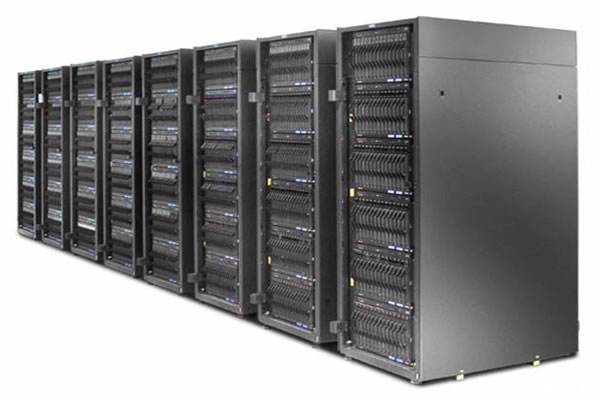
the hardware configuration of a high-defense server is the basis of its performance. common configurations include:
- high-performance cpu: it is recommended to choose a multi-core processor, which can quickly handle a large number of concurrent requests.
- large-capacity memory: at least 16gb of memory to ensure stability under high load conditions.
- ssd hard drive: use solid state drives to increase read and write speeds.
- high-bandwidth network interface: choose a network interface with 1gbps or higher bandwidth to ensure smooth data transmission.
3. steps to select a high-defense server
the steps for selecting a high-defense server include:
- determine needs: clarify your business needs, including traffic size, data security, etc.
- market research: compare the price, performance and service quality of high-defense servers from different service providers.
- test performance: among the selected service providers, select a high-defense server that can be tried out for performance testing.
- sign a contract: after confirming that the performance test is correct, formally sign a contract with the service provider and purchase services.
4. deployment of high-defense servers
the steps to deploy a high-defense server are as follows:
- configure domain name resolution: resolve the domain name to the ip address of the high-defense server.
- firewall settings: configure firewall rules according to business needs to allow legitimate traffic to pass and block malicious traffic.
- monitoring system construction: use monitoring software to monitor servers in real time and detect abnormal traffic in a timely manner.
- regular updates: regularly update systems and applications to ensure security vulnerabilities are promptly fixed.
5. maintenance of high-defense servers
maintenance of high-defense servers is equally important. specific operations include:
- regular backup: make sure your data is backed up regularly to prevent data loss.
- traffic analysis: regularly analyze traffic logs to identify potential security threats.
- security audit: regularly conduct security audits on the server to evaluate the security of the system.
- user feedback: collect user feedback in a timely manner to optimize server configuration and performance.
6. the difference between high-defense servers and traditional servers
the main difference between high-defense servers and traditional servers is security and protection capabilities. traditional servers are usually unable to effectively resist ddos attacks, while high-defense servers have powerful traffic cleaning and firewall functions to maintain service availability when attacks occur.
in addition, high-defense servers usually adopt multiple redundancy designs in the network architecture to ensure that if one link fails, other links can continue to provide services. this design greatly improves the reliability and stability of the system.
7. cost analysis of high-defense servers
the cost of high-defense servers is usually higher than that of traditional servers, mainly because of their hardware configuration and security protection measures. when choosing a high-defense server, you need to comprehensively consider performance, price and service quality, and make a reasonable budget.
although the initial investment is high, for enterprises that need to protect important data and business, investing in a high-defense server is very worthwhile because it can effectively prevent losses caused by business interruption.
8. application scenarios of high-defense servers
high-defense servers are suitable for various scenarios requiring high security, including:
- financial industry: protect users’ transaction data from being leaked.
- e-commerce platform: ensure the security of transactions and prevent denial of service attacks from making the website inaccessible.
- game server: protects game data and ensures players’ gaming experience.
by properly configuring and deploying high-defense servers, enterprises can effectively resist various network attacks and ensure stable business operations.
q&a session
q: what are the main technical features of high-defense servers?
the main technical features of high-defense servers include high bandwidth, low latency, powerful firewall and traffic cleaning capabilities. these features enable it to respond quickly when faced with ddos attacks and effectively filter out malicious traffic, thereby ensuring service availability.
q: how to choose a suitable high-defense server?
choosing a suitable high-defense server requires clarifying your business needs, conducting market research, performance testing, and ultimately choosing a cost-effective service provider. you can use the trial service to verify the performance of the server to ensure that it can meet business needs.
q: what are the key points in maintaining high-defense servers?
maintenance of high-defense servers includes regular backup of data, traffic analysis, security audits and collection of user feedback. through these maintenance measures, potential security issues can be discovered and solved in time to ensure the stable operation of the server.
- Latest articles
- User Feedback Summary: Recommended Most Trusted SS Hong Kong CN2 VPS Service Providers
- Latency Testing And Best Practices For Xingtai VPS Hong Kong Servers For Gamers
- Using Real Data To Illustrate The Differences In CN2 Access Between Malaysian Cities
- Backup And Recovery: How To Use Alibaba Cloud For Japanese Servers To Implement Snapshot Backup And Offsite Disaster Recovery Deployment Solutions
- Technical Practice: Automated Deployment And Synchronized Update Solution For Vietnam Site Cluster Servers
- Cluster Multi-IP Server Deployment Process In Taiwan And Node Redundancy Design Scheme
- Summary Of Best Practices For Development And Operations Collaboration In VPS CN2 Deployment In Singapore
- Global Deployment Strategies Combined With Latency Requirements To Develop US Server Pricing Plans That Meet Business Needs
- Japan PUBG Server: Practical Tips And Tools For Cross-region Teaming And Voice Communication
- Startup Deployment Is The Preferred Singapore Cloud Server VPS Cost And Configuration Recommendations
- Popular tags
-

How To Break Into Us High-defense Servers? Experts Reveal Security Strategies
in-depth analysis of the security strategy of high-defense servers in the united states, revealing how to break through the defense lines of high-defense servers, and providing effective defense measures to ensure network security. -

American High-defense Servers Provide The Best Choice For 4t Partitions
this article details how to choose a us high-defense server, especially the best choice to provide 4t partitions, including practical steps and faqs. -

Potential Service Risks And Assessment Checklist Behind The Low Prices Of High-security Servers In The United States
The analysis section identifies the common service risks behind low-cost high-security American servers, and provides a detailed assessment checklist along with practical recommendations to help buyers make a more informed choice between budget and security.